

He Wakapūtanga Ō Te Rangatiratanga Ō Nū Tīreni 1835
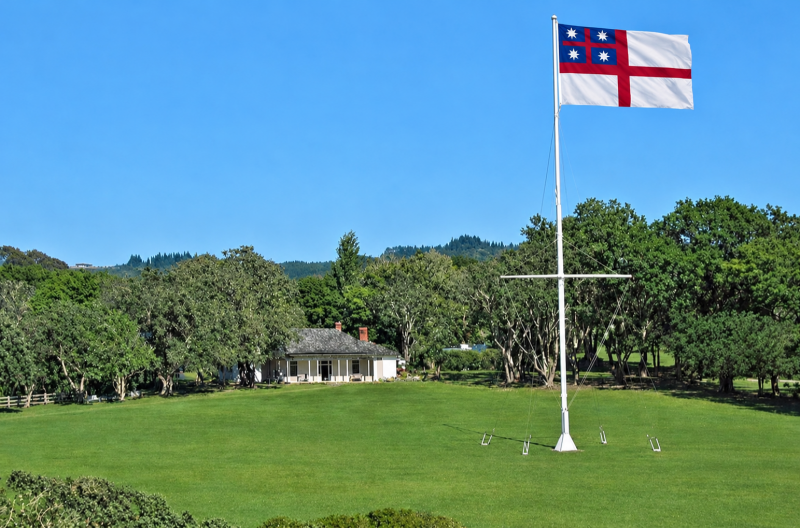
E ngā Ariki, e ngā Tino Rangatira, e ngā hapū, e ngā iwi o tēnei whenua, tēnā koutou katoa.
28 October 2026
On this day, 28 October 1835, our ancestors gathered at Waitangi and declared our Tino Rangatiratanga (sovereignty) and Mana Motuhake (independence) to the world through He Wakapūtanga o te Rangatiratanga o Nū Tireni 1835.They affirmed that the mana, Kīngitanga and Rangatiratanga of this whenua resided with the Tino Rangatira of our hapū, united through Te Wakaminenga o ngā Hapū o Nū Tireni. They did not seek permission to govern themselves. They declared the authority that was already theirs.
Our ancestors declared their Tino Rangatiratanga to the world. We continue it. We did not create a new sovereignty. We inherited the responsibility to uphold, protect and continue the Rangatiratanga established through our whakapapa, our whenua and the authority of our ancestors. Governments may change. Generations may pass. But our ancestral inheritance remains.He Wakapūtanga is a declaration of our collective authority and a legacy entrusted to us by those who came before. Today, we honour our ancestors by continuing what they declared. It started with IO, then Ngā Rangitūhaha. then our Arikitanga in Te Moana Nui ā Hīva. From Marae Vaeāra‘i, Marae Taumariari, Marae Taputapuātea, Marae Ahura‘i and Marae Vaiahu, to all the marae of Te Moana Nui ā Hīva, and onward to Aotearoa.
From Te Hau Pahu Nui, to Te Hau Fa‘atau Aroha, to Tau Rangatira, to Waitangi.
We have reopened Ngā Rangitūhaha.
We have reinstated Te Whare Atua Ō IO.
We have reinstated Te Whare Ariki.
We have reinstated Te Whare Ō Kupe-Ariki.
Our ancestors declared their sovereignty to the world. We continue it. It's only a matter of time now.
Today is Independence Day, the 191st anniversary of the signing of He Whakaputanga o Te Rangatiratanga o Nu Tireni / the Declaration of Independence of New Zealand. In 1831, 13 Ngāpuhi chiefs wrote to King William IV of the United Kingdom to seek an alliance and protection from other powers. On 28 October 1835 James Busby took this a step further at a hui (meeting) he had called at Waitangi. By the end of the day 34 rangatira had signed He Whakaputanga o te Rangatiratanga o Nu Tireni (known in English as the Declaration of Independence of the Confederation of The United Tribes.
28 October 1835
On 28 October 1835, at the home of British Resident James Busby in Waitangi, 34 northern chiefs signed He Whakaputanga o te Rangatiratanga o Nu Tireni (known in English as the Declaration of Independence of the United Tribes of New Zealand). The handwritten document, consisting of four articles, asserted that mana (authority) and sovereign power in New Zealand resided fully with Māori, and that foreigners would not be allowed to make laws.
Te Wakaminenga, the Confederation of United Tribes, was to meet at Waitangi each autumn to frame laws. In return for their protection of British subjects within their territory, they sought King William's protection against threats to their mana. They also thanked the King for acknowledging their flag. By July 1839, 52 chiefs had signed He Whakaputanga, including Te Hāpuku and Te Wherowhero, the first Māori King. The document was officially acknowledged by the British Government. Busby saw it as a significant mark of Māori national identity and believed it would prevent other countries from making formal agreements with Māori.
He Wakaputanga o te Rangatiratanga o Nu Tireni
ĀTIKARA 1
Ko matou ko nga Tino Rangatira o nga iwi o Nu Tireni i raro mai o Hauraki kua oti nei te huihui i Waitangi i Tokerau 28 o Oketopa 1835. ka wakaputa i te Rangatiratanga o to matou wenua a ka meatia ka wakaputaia e matou he Wenua Rangatira. kia huaina ‘Ko te Wakaminenga o nga Hapu o Nu Tireni’.
ĀTIKARA 2
Ko te Kingitanga ko te mana i te wenua o te wakaminenga o Nu Tireni ka meatia nei kei nga Tino Rangatira anake i to matou huihuinga. a ka mea hoki e kore e tukua e matou te wakarite ture ki te tahi hunga ke atu, me te tahi Kawanatanga hoki kia meatia i te wenua o te wakaminenga o Nu Tireni. ko nga tangata anake e meatia nei e matou e wakarite ana ki te ritenga o o matou ture e meatia nei e matou i to matou huihuinga.
ĀTIKARA 3
Ko matou ko nga Tino Rangatira ke mea nei kia huihui ki te runanga ki Waitangi a te Ngahuru i tenei tau i tenei tau ki te wakarite ture kia tika ai te wakawakanga kia mau pu te rongo kia mutu te he kia tika te hokohoko. a ka mea hoki ki nga Tauiwi o runga kia wakarerea te wawai. kia mahara ai ki te wakaoranga o to matou wenua. a kia uru ratou ki te wakaminenga o Nu Tireni.
ĀTIKARA 4
Ka mea matou kia tuhituhia he pukapuka ki te ritenga o tenei o to matou wakaputanga nei ki te Kingi o Ingarani hei kawe atu i to matou aroha. nana hoki i wakaae ki te Kara mo matou. a no te mea ka atawai matou, ka tiaki i nga pakeha e noho nei i uta e rere mai ana ki te hokohoko, koia ka mea ai matou ki te Kingi kia waiho hei matua ki a matou i to matou Tamarikitanga kei wakakahoretia to matou Rangatiratanga.
Kua wakaetia katoatia e matou i tenei ra i te 28 o opketopa 1835 ki te aroaro o te Reireneti o te Kingi o Ingarani. Ko matou ko nga Rangatira ahakoa kihai i tae ki te huihuinga nei no te nuinga o te Waipuke no te aha ranei – ka wakaae katoa ki te waka putanga Rangatiratanga o Nu Tirene a ka uru ki roto ki te Wakaminenga.
ENGLISH TRANSLATION
By Dr Mānuka Hēnare Ngāpuhi, Te Aupōuri, Te Rarawa and Ngāti Kuri
He Wakaputanga o te Rangatiratanga o Nu Tireni
ARTICLE 1
We, the absolute leaders of the tribes (iwi) of New Zealand (Nu Tireni) to the north of Hauraki (Thames), having assembled in the Bay of Islands (Tokerau) on 28th October 1835, [we] declare the authority and leadership of our country and say and declare them to be a prosperous economy and chiefly country (Wenua Rangatira) under the title of ‘Te Wakaminenga o ngā Hapū o Nu Tireni’ (The sacred Confederation of Tribes of New Zealand).
ARTICLE 2
The sovereignty/kingship (Kīngitanga) and the mana from the land of the Confederation of New Zealand are here declared to belong solely to the true leaders (Tino Rangatira) of our gathering, and we also declare that we will not allow (tukua) any other group to frame laws (wakarite ture), nor any Governorship (Kawanatanga) to be established in the lands of the Confederation, unless (by persons) appointed by us to carry out (wakarite) the laws (ture) we have enacted in our assembly (huihuinga).
ARTICLE 3
We, the true leaders, have agreed to meet in a formal gathering (rūnanga) at Waitangi in the autumn (Ngahuru) of each year to enact laws (wakarite ture) that justice may be done (kia tika ai te wakawakanga), so that peace may prevail, wrong-doing cease, and trade (hokohoko) be fair. [We] invite the southern tribes to set aside their animosities, consider the well-being of our land and enter into the sacred Confederation of New Zealand.
ARTICLE 4
We agree that a copy of our declaration should be written and sent to the King of England to express our appreciation (aroha) for his approval of our flag.
And because we are showing friendship and care for the Pākehā who live on our shores, who have come here to trade (hokohoko), we ask the King to remain as a protector (matua) for us in our inexperienced statehood (tamarikitanga), lest our authority and leadership be ended (kei whakakahoretia tō mātou Rangatiratanga). We are the rangatira who, although we did not attend the meeting due to the widespread flooding or other reasons, fully agree with He Whakaputanga Rangatiratanga o Nu Tirene and join the sacred Confederation.
Tūturu Ōhiti hakamaua kia tina, tina, haumi e, hui e, tāiki e