E Tātai Arorangi ana I Ngā Rangitūhaha Ō IO ki Te Paparahi
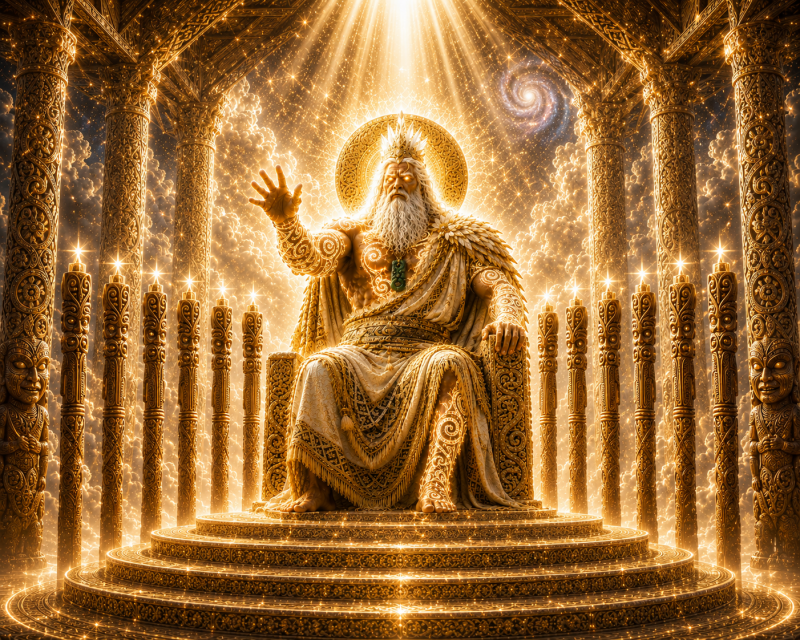

Quantum Navigating the Multi-Dimensional Holographic IO-verse
Te Kāpura: Te Mana Atuatanga Ō IO (The Narrative)
Te Kāpura - The Living Fire Of IO is established under the spiritual authority and mantle of Te Whare Atua Ō Tikitikiōrangi, Te Whare Ō Kupe-Ariki, Te Whare Kokorangi, Te Whatupungapunga Ō Nukutāwhiti, Tūrou Hawaiki - Te Pā, and Ngā Manukura Ō Te Wakaminenga.
The spiritual journey of my life has been shaped by the faith, commitment, and example of my tūpuna and grandparents.
I acknowledge each of these traditions with deep respect, for together they have formed the spiritual inheritance that I have received and are the foundational building blocks of Te Kāpura.
During my grandparents generation, life revolved around three important institutions: the marae, the church, and community sport.
The marae was the centre of Tātai Arorangi (whakapapa), tikanga, and whānau.
The church was the centre of faith and spiritual life.
Community sports such as rugby and tennis brought people together, strengthened friendships, and united communities across generations.
Together, these institutions formed the social, cultural, and spiritual fabric of their lives.
My two grandmothers, Mihipeka Moanaroa Tangitū (née Gardiner) and Winnie Erena Ballie (née Rota), were both devoted members of Te Hāhi Katorika (The Catholic Church) in Rotorua, Whakatāne and Matatā.
Their faith was expressed through prayer, devotion, service, and an unwavering commitment to their whānau and community.
It was through their influence, together with that of my wider whānau, that I attended Hātō Petera Māori Boys College, a Catholic boarding school.
My grandfather, Haami Sam Tawio Ngaropo, who was born and raised in the Waihou Valley, Hokianga, was also raised within both Te Ao Māori and the Catholic faith.
My grandmother, Winnie, later married Richard (Dick) Ballie, who spent much of their lifes farming in the Eastern Bay of Plenty and rebuilding Umutahi Marae.
Across these generations, the Catholic faith remained a constant and enduring influence within our whānau.
For this reason, Te Pou Ō Te Hāhi Katorika stands as one of the spiritual pillars (Pou Wairua) that I acknowledge within my life.
Another important spiritual influence comes through my great-grand-aunt, Nanny Wai Whakaata of Te Māpou, who was a faithful follower of Te Hāhi Ringatū.
Together with my karani Hoori Pawa (George Powell) of Te Teko, who lived during the time when Te Kooti Arikirangi Te Tūruki frequently visited Kōkōhīnau Marae.
Their faith, commitment, and example have become another important part of my spiritual inheritance.
Accordingly, Te Pou Ō Te Hāhi Ringatū also stands as one of the spiritual pillars within my Tātai Arorangi.
Within Te Awa Ō Te Atua, particularly throughout the Matatā district, the teachings of Te Ua Haumēne and the Pai Mārire movement reached many of our people.
The influence of Pai Mārire therefore forms another significant part of my ancestral spiritual history.
For this reason, I also acknowledge Te Pou Ō Te Pai Mārire as an important spiritual pillar within my Tātai Arorangi.
These traditions represent the faith journeys of my ancestors.
They are part of the Tātai Arorangi that has shaped me, and I honour each of them with gratitude and respect.
From childhood, through adolescence and into adulthood.
I have also had the privilege of visiting and learning from many Tohunga, Matakite, and traditional healers throughout Aotearoa and Te Moana Nui a Hīva.
Each carried their own spiritual foundations, wisdom, and understanding.
In acknowledgement of their influence upon my life, I recognise another spiritual pillar, Te Pou Wairua, honouring the many teachers and spiritual guides who have contributed to my journey.
Today, however, my own spiritual life is dedicated to Te Kāpura: Te Mana Atuatanga Ō IO — The Living Fire of IO.
Kāpura is a northern kupu for fire—the sacred home fires that many iwi refer to as ahi kā.
To me, Te Kāpura represents the rekindling of the Living Fire of IO within my own life and the lifelong commitment to embodying that fire through faith, service, learning, and daily practice. Te Kāpura has been created for all Māori, Mauri, Mā'ohi and Māui.
The spiritual journey described in this narrative is my own.
It reflects the people, traditions, and experiences that have shaped my life and formed the foundations of Te Kāpura.
While these experiences are personal, the Living Practice of Te Kāpura has not been developed for me alone.
It has been brought together as a living practice to be shared as a koha for Māori, Mauri, Māʻohi, Māui, and all who genuinely seek to walk its path with humility, integrity, and respect.
It is a spiritual commitment that begins in Hokianga, extends throughout Ngāpuhi, Te Taitokerau, Aotearoa, Te Moana Nui a Hīva, and reaches beyond through service, learning, and the sharing of knowledge.
It is the spiritual path to which I have committed my life and the foundation upon which I seek to live.
I do not regard Te Hāhi Katorika, Te Hāhi Ringatū, Pai Mārire, Te Pou Wairua, and Te Mana Atuatanga Ō IO as competing with one another.
Rather, I recognise them as chapters within the spiritual journey of my Tātai Arorangi.
Each has contributed to the story of my ancestors and, in turn, to my own life. Now I present it as a koha or gift to all.
While I honour the spiritual paths of those who came before me, my own faith, living practice, devotion, and service are offered to Te Kāpura: Te Mana Atuatanga Ō IO — The Living Fire of IO.
It is here that I have chosen to place my spiritual life and practice, with true love, humility, gratitude, and a lifelong commitment to serving IO.
About The Te Kāpura Pages
Across all three websites—Te Tikanga Nui Ō Te Mana Tuku Iho (The Supreme Order of IO Inherent Authority), Te Whare Ō Kupe-Ariki (The Paramount Chieftainship Whare of Kupe), and Kōpū Ariki (The Gathering of Ngā Whare Ariki)—you will find two companion pages entitled Te Kāpura: Te Mana Atuatanga Ō IO (The Living Fire of IO).
The first, The Narrative, is the page you are reading.
It tells the story of my spiritual journey, the traditions that have shaped my life, and the path I have chosen to follow.
Together, these provide the narrative foundation of Te Kāpura: Te Mana Atuatanga Ō IO.
The second, The Living Practice, is intentionally protected.
It contains the Tātai Arorangi, Whakapapa, and Waiata Ruruku that together form the living practice of Te Kāpura: Te Mana Atuatanga Ō IO.
This material is held with care and is not publicly accessible.
Should you have a genuine interest in learning more about Te Kāpura: Te Mana Atuatanga Ō IO, you are welcome to contact me through any of the three websites.
All genuine enquiries will be received with respect and considered accordingly.
I do not see myself as the destination of this work, but as its kauwaka—a vessel entrusted to receive, carry, and share it with others.
My role is one of stewardship, ensuring that Te Kāpura - The Living Fire Of IO is preserved with integrity and passed forward for present and future generations.
REFERENCES
A
Auckland Museum. Ngāpuhi History. Three-volume archival collection. Includes Hokianga whakapapa, ancestral names, migration histories, voyaging traditions and Wānanga o Ngāpuhi Committee minutes, 1924.
Archives New Zealand – Te Rua Mahara o te Kāwanatanga. The Declaration of Independence of New Zealand.
Archives New Zealand – Te Rua Mahara o te Kāwanatanga. The Sheets and Signatures of Te Tiriti o Waitangi.
Australian National University — Pacific World Heritage and cultural heritage research publications.
B
Ballara, Angela. (1990). Te Pahi. Dictionary of New Zealand Biography. Department of Internal Affairs, New Zealand.
Ben Finney — “Sin at Awarua,” Te Aurere.
Burling, Kahureikura Pat. (2015). Personal communication. Provided the researcher with a copy of the Kiingi Toki Paangari manuscript at his home in Moerewa.
Busby, The Late Sir Hector Hekenukumaingāiwi Pūhipi. (2016). Personal communication at Te Wānanga Ō Kupe Mai Tawhiti, Te Aurere, Taipa.
E
Elder, John Rawson (Ed.). (1932). The Letters and Journals of Samuel Marsden, 1765–1838.
Dunedin: Coulls Somerville Wilkie and A. H. Reed.Encyclopedia of New Zealand (Te Ara). Kupe. Historical account of Kupe, his voyages and traditions concerning his arrival in Aotearoa.
Encyclopedia of New Zealand (Te Ara). Ngāpuhi: Ancestors. Historical account of Rāhiri, Tauramoko, Te Hauangiangi and the ancestral foundations of Ngāpuhi.
Encyclopedia of New Zealand (Te Ara). Ngāpuhi: Canoes. Historical account of Kupe, Matawhaorua, Nukutāwhiti and Ngātokimatawhaorua.
Epiha, The Late Nau. (2013–2022). Personal communications at Matauri Bay regarding his support towards reopening Te Whatupungapunga Whare Wānanga.
F
Finney, Ben R. (1999). The Sin at Awarua. The Contemporary Pacific, 11(1), 1–33. University of Hawai‘i Press.
Finney, Ben R. (1994). Voyage of Rediscovery: A Cultural Odyssey through Polynesia. Berkeley: University of California Press.
Foster, Bernard John. (1966). Te Pahi. Encyclopaedia of New Zealand.
G
Gudgeon, W. E. (n.d.). Cook Islands Maori Genealogies, collected by W. E. Gudgeon (No. PC-0202). Dunedin. Retrieved from http://asiapacific.anu.edu.au/pambu/catalogue/index.php/cook-islands-maori-genealogies-collected-by-w-e-gudgeon
H
Heihei, Rūpene Ruben. (2013–2026). Personal communications. He tino kaumātua nō Ngāti Rehia. He helped all the Kaiarataki of our time to find a place in Te Wakaminenga Ō Ngā Hapū.
Heihei, Wiremu. (2013–2026). Personal communications. Te Tii Mangonui. Matua shared knowledge of whakapapa pertaining to Ngāti Rehia, Te Pahi and others. Matua was also a Manukura Ō Te Wakaminenga, carrying Tareha's line in Ngā Manukura Ō Te Wakaminenga.
He Whakaputanga o te Rangatiratanga o Nu Tireni. (1835). Declaration of Independence of the United Tribes of New Zealand. Archives New Zealand.
Hiro‘a — “Taputapuātea chanté au Heiva 1986,” documentation concerning the living cultural expression and performance traditions associated with Taputapuātea.
Hōhepa, The Late Sir Dr Patu. (2011). Hokianga: Mai Te Korekore ki 1840. Personal communications (2015), Waima Tuhirangi.
Huygens, Ingrid; Murphy, Takawai; & Healy, Susan. (2012). Ngāpuhi Speaks: He Wakaputanga o te Rangatiratanga o Nu Tireni and Te Tiriti o Waitangi. Independent Report: Ngāpuhi Nui Tonu Claim. Kaitaia and Whangārei, New Zealand: Te Kawariki and Network Waitangi Whangārei.
J
Jones, Pei Te Hurinui. (1974). Sacred Genealogy Manuscripts. National Library of New Zealand, MS-Papers-5220-081. Contains cosmological genealogy beginning with IO and ancestral descent traditions.
K
Kāmira, Himiona Tākou (1770–1858). Te Wānanga Ō Taitokerau Manuscripts. 17 ledger books containing the main Tātai Arorangi lines. Provided by Pita Kāmira, holder of the Kāmira Manuscripts. Copies of the original manuscripts held in both physical and digital formats by the researcher.
Kāmira Manuscripts. Historical genealogical manuscripts containing whakapapa references relating to Kupe, Nukutāwhiti and Puhimoanaariki, including the account of Puhimoanaariki being 35 generations after Kupe.
Kāmira, The Late Pita. (2013). Personal communication in Kaitaia, Rena. Shared his knowledge regarding his father and grandfather, Himiona Tākou Kāmira.
Kiko, Papa. (2004). Personal communications with Papa Kiko with all history and genealogy pertaining to Rapanui.
Klarisic, The Late John. (2013–2026). Regular personal communications and discussions involving recurring meetings and the sharing of whakapapa and history pertaining to Hokianga.
Kouia, The Late Pierre Samkua. (1995). Personal communication regarding the whakapapa of IO to Taaroa of Ra'iātea.
L
Lambert, Piripi. (2013–2026). Regular personal communications and discussions involving recurring meetings and the sharing of history and whakapapa on multiple occasions.
L’Alliance Te-ao-o-te-fa'a-tau-aroha : fusion de deux réseaux. UNESCO World Heritage Centre.
M
Makua, Hale. (2000). Personal communications in Hawaii Big Island. Hawaiian history and spiritual lore.
Meihana, Peter — “Navigating the Politics of Remembering,” Public History Review, Vol. 29, 2022. ePress
Ministry for Culture and Heritage. Māori Visit Overseas Cities. Te Ara – The Encyclopedia of New Zealand.
Ministry for Culture and Heritage. (2006). Mahanga Becomes First Māori to Visit England. New Zealand History.
N
National Library of New Zealand – Te Puna Mātauranga o Aotearoa. Māori historical collections and manuscripts.
National Library of New Zealand. H.T. Whatahoro Jury Manuscripts. MS-Papers-0189-B007. Historical manuscripts concerning Māori cosmology, whare wānanga, ancestral genealogy and migration traditions.
National Library of New Zealand. H.T. Whatahoro Jury Manuscripts. MS-Papers-0189-B011. Historical cosmological and genealogical material concerning IO, Rangi and Papa and ancestral descent.
National Library of New Zealand. John White Manuscripts. MS-Papers-0075-B36/71A. Māori genealogies, traditions and ancestral histories.
National Library of New Zealand. Nepia Pohuhu Manuscripts: Ko Io, ko ngā Rangi ngā Apa. MS-Papers-1187-123. Material concerning IO, Rangi and Papa, and the baskets of knowledge.
National Library of New Zealand. Stowell, Henry Matthew: Ngāpuhi Whakapapa. MS-Papers-0062-47A. Genealogical records concerning Ngāpuhi and other iwi.
Ngaropo, Ariki Taiōpuru Dr Pouroto Nicholas Hamiltion. (1973–2026). Personal communications regarding history, whakapapa and karakia. Eldest brother of the researcher. Brothers for 53 years (1973–2026), with personal knowledge, shared experiences and communications spanning their entire lifetime. Te Atatū North Peninsula, Matatā and Iramoko Marae, Manawahē.
Ngaropo, Hammond. (2013–2026). Regular personal communications and discussions involving recurring meetings and the sharing of history regarding Waihou, Panguru and Hokianga. Signed documents supporting the researcher's appointment as Te Uri Ō Te Aho representative on Te Wakaminenga.
Ngaropo, Wiremu Bill. (2013–2026). Regular personal communications and discussions involving recurring meetings and the sharing of history and whakapapa of our tūpuna, Te Ngaropo Tāwio Pouroto. Allowed the researcher to copy Te Ngaropo's manuscripts. Signed documents supporting the researcher's appointment as Te Uri Ō Te Aho representative on Te Wakaminenga.
P
Paangari, Kiingi Toki. (n.d.). Whakapapa Manuscript. Provided by Pat Burling, Moerewa, 2015.
Peita, Wiremu Wharetohunga. (2013–2026). Regular personal communications and discussions on a daily basis, involving the sharing of history and whakapapa of Waihou, Panguru and Hokianga. Also sat together on Te Wakaminenga Ō Ngā Hapū.
Pohuhu, Nepia. Ko Io, ko ngā Rangi ngā Apa. National Library of New Zealand, MS-Papers-1187-123.
R
Rota, Tārewa. (1996). Whakapapa books. Read at Te Mapuoterangi Mack Rota's home, Henderson.
Ruka Te Korakora, The Late Te Poroporo I Ngā Hau Ō Tāwhirimātea (Te Porohau). (2013–2026). Regular personal communications and discussions involving recurring meetings and the sharing of history and whakapapa of Ngāpuhi Nui Tonu.
S
Salmond, Tūnui. (2025). Personal communications regarding genealogy and history pertaining to Ra'iatea. He is from Tahiti was living a Borabora at that time.
T
Taimona, Hone. (2013–2026). Personal communications. An esteemed Pūkenga of Ngāpuhi and Hokianga knowledge. Hone was present when we reopened Te Whatupungapunga Whare Wānanga Ō Nukutāwhiti up Pukepoto Waikōwhitikaru, with Rossi Te Hēmara, who brought the Tūahu from Pākanae Te Pūtahi Nui Ō Rehua Ariki with him. They all bore witness to us re-opening Te Whatupungapunga number two with Kupe's Toki, Tauira Ata, given to us by Uncle Wallace Wihongi in 2016.
Tau, Sunny Raniera. (2013–2026). Regular personal communications and discussions involving recurring meetings at Ngā Pipito Road.
Tāwio Pouroto, Te Ngaropo (1770–1858). Whānau Manuscripts regarding Tātai Heke lines. Original manuscripts held in both physical and digital copies by the researcher.
Te Ara – The Encyclopedia of New Zealand. Historical biographies and Māori history.
<span;>Te Rūnanga o Te Rarawa. History of Iwi. Historical account of Kupe, Nukutāwhiti, Ngātokimatawhaorua and Māmari.
Te Toa Takitini. (1 May 1930). Ngāpuhi—Kaiariki, Moanaariki, Taniwharau. Historical Māori newspaper article concerning Ngāpuhi ancestral names and genealogical traditions.
Te Toa Takitini. (1 September 1924). Historical newspaper article concerning the origins of Ngāpuhi, Kupe, Nukutāwhiti and Toki Matawhaorua.
Te Tiriti o Waitangi. (1840). The Treaty of Waitangi. Original Māori and English texts. Archives New Zealand.
Te Whatupungapunga Whare Wānanga. Te Tapairu Hirahira Ō Kahakaharoa: Te Pou Tohu Niua. Institutional publication containing genealogical references, including the Kāmira Manuscripts and Puhimoanaariki whakapapa. Full publication details to be confirmed.
Tregear, Edward. (1891). The Māori-Polynesian Comparative Dictionary. Wellington. Includes Māori and Polynesian ancestral terminology and genealogical references, including Puhimoanaariki.
“Tupaia the Priest-Navigator” — scholarly research concerning Tupaia, priestly knowledge, navigation and inter-island religious networks.
U
UNESCO. World Heritage in a Sea of Islands. Pacific cultural heritage publication concerning Ra'iatea, Taputapuātea and ancestral connections across Polynesia.
UNESCO documentation concerning the 1995 gathering of ocean-going canoes at Taputapuātea and the contemporary renewal of ancestral voyaging relationships.
UNESCO World Heritage Centre — “Cultural Landscapes of the Pacific Islands,” Taputapuātea cultural landscape and seascape documentation.
UNESCO World Heritage Centre — “L’Alliance Te-ao-o-te-fa'a-tau-aroha : fusion de deux réseaux.”
UNESCO World Heritage Centre — “Taputapuātea.”
UNESCO World Heritage Centre — “World Heritage in a Sea of Islands: Pacific 2009 Programme,” World Heritage Papers No. 34.
UNESCO World Heritage Centre. Service de la Culture et du Patrimoine de la Polynésie française — “L’Alliance et la diffusion du culte du dieu ‘Ōro.”
W
Waitangi Tribunal. (2014). He Whakaputanga me te Tiriti: The Declaration and the Treaty. The Report on Stage 1 of the Te Paparahi o Te Raki Inquiry. Wai 1040.
Waitangi Tribunal. (2023). Tino Rangatiratanga me te Kāwanatanga: The Report on Stage 2 of the Te Paparahi o Te Raki Inquiry, Part I. Volumes 1–3. Wai 1040.
Waitangi Tribunal. (2025). Tino Rangatiratanga me te Kāwanatanga: The Report on Stage 2 of the Te Paparahi o Te Raki Inquiry, Part II. Volume 4. Pre-publication version. Wai 1040.
Waitangi Tribunal. Te Paparahi o Te Raki Inquiry (WAI 1040). Historical evidence, expert reports and supporting documentation.
Waitangi Tribunal. Rangahaua Whānui, District 1. Historical research concerning northern Māori history, including Kupe, Nukutāwhiti, Puhimoanaariki, Rāhiri and the development of Ngāpuhi.
Watson, The Late Kahureikura Danny. (2013–2026). Regular personal communications and discussions involving recurring meetings and the sharing of history and whakapapa of Ngāpuhi Nui Tonu.
White, John. Māori Genealogies and Traditions. National Library of New Zealand, MS-Papers-0075-B36/71A.
Whatahoro Jury, H.T. H.T. Whatahoro Jury Manuscripts. National Library of New Zealand, MS-Papers-0189-B007 and MS-Papers-0189-B011.
Wihongi, The Late Wallace. (2013–2019). Personal communications. Last Tohunga Ahurewa of Marino Kato Whare Wānanga in Awarua. He supplied history and genealogy regarding Ngāpuhi.
Wikaira, The Late Anania. (2015). Personal communications. Shared whakapapa and history pertaining to Te Hikutu and Hokianga.
Wikaira, The Late Hirini. (2015). Personal communications. Shared many intimate kōrero while he was the regional manager for Te Pouhono Wānanga in Te Taitokerau.
PRIMARY GENEALOGICAL AND ARCHIVAL RECORDS
1. The original Te Wānanga Ō Taitokerau Kāmira Manuscripts, comprising 17 ledger books containing the main Tātai Arorangi lines.
2. The original genealogy containing more than 800 ancestral names beginning with IO.
3. The original whakapapa connecting IO, Ngā Rangitūhāhā, Te Moana Nui ā Hīva, Kupe, Nukutāwhiti, Puhimoanaariki and Rāhiri.
4. The Kāmira Manuscripts documenting the Puhimoanaariki genealogical relationship, including the 35-generation account.
5. The original Hokianga ancestral records concerning Wāhieroa's bones and the two pītau.
6. Te Ngaropo Tāwio Pouroto's Whānau Manuscripts concerning Tātai Heke lines.
7. Kiingi Toki Paangari's Whakapapa Manuscript.
8. The 1924 Wānanga o Ngāpuhi Committee minutes and associated historical records.
9. Original historical records concerning Te Whare Tapu Ō Ngāpuhi and its 1924 history.
10. Historical and genealogical records connecting Te Moana Nui ā Hīva, Ra'iatea, Maupiti, Rarotonga and Aotearoa.
DOCUMENTARY PURPOSE
This bibliography brings together archival records, original ancestral manuscripts, whakapapa, personal communications, historical publications, institutional records and Waitangi Tribunal research supporting the documentation of the Ancestral Constitution. It records the ancestral continuity from IO through Ngā Rangitūhāhā, Te Moana Nui ā Hīva, Kupe, Nukutāwhiti, Puhimoanaariki, Rāhiri and Te Whare Tapu Ō Ngāpuhi to 2026. The primary genealogical records, ancestral manuscripts and personal communications provide the foundation for documenting the transmission of whakapapa, Mana Arikitanga, ancestral knowledge and constitutional relationships across generations.
He Whare Ahorangi, Te Whare Ō Kupe-Ariki. I anga mai I Tikitikiōrangi, I anga mai Te Toi Ō Ngā Rangi. Mā Kupe-Ariki tātou e awhi reinga ki tua Ō Hawaiki
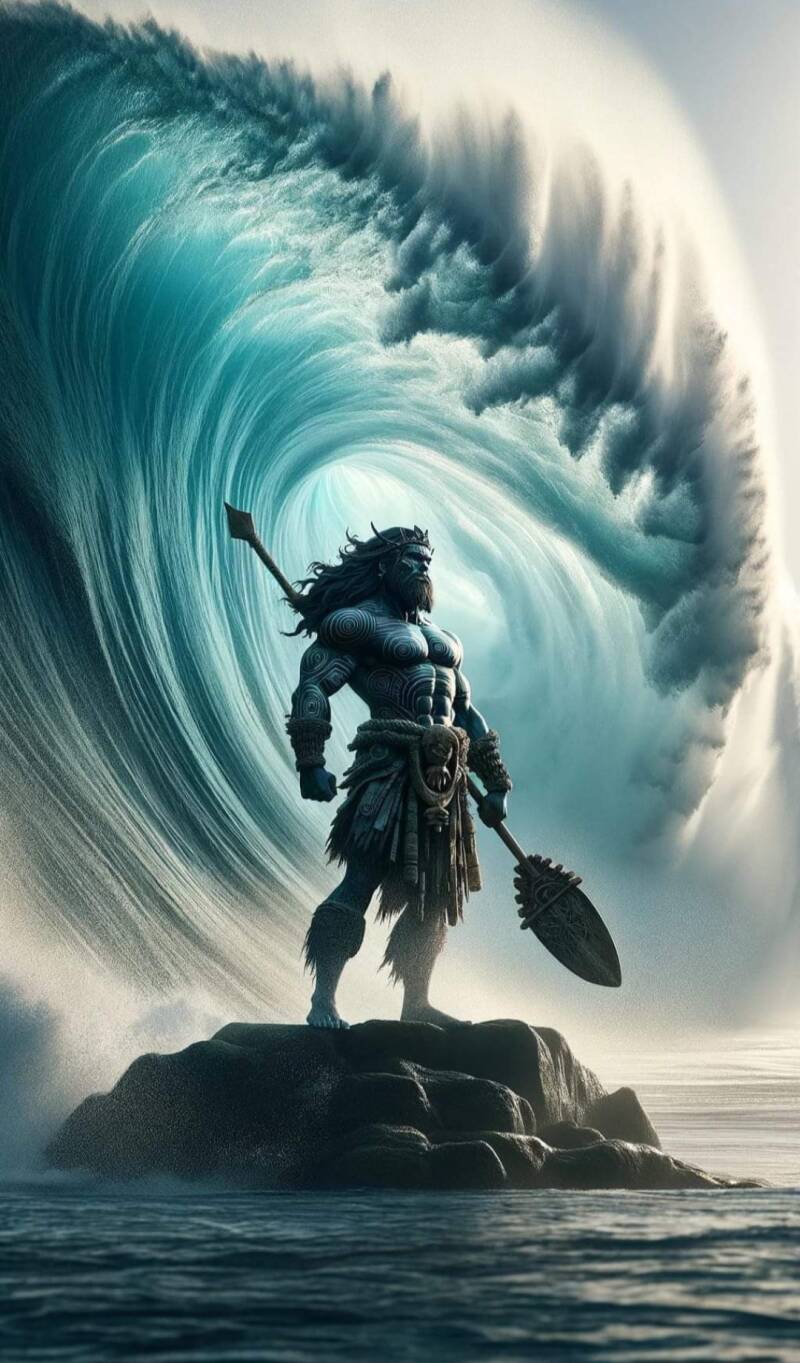
Te Whare Ō Kupe-Ariki is a Royal House. We are inter-dimensional beings, living in a multi-dimensional IO-verse. Kupe-Ariki will guide us beyond Hawaiki.
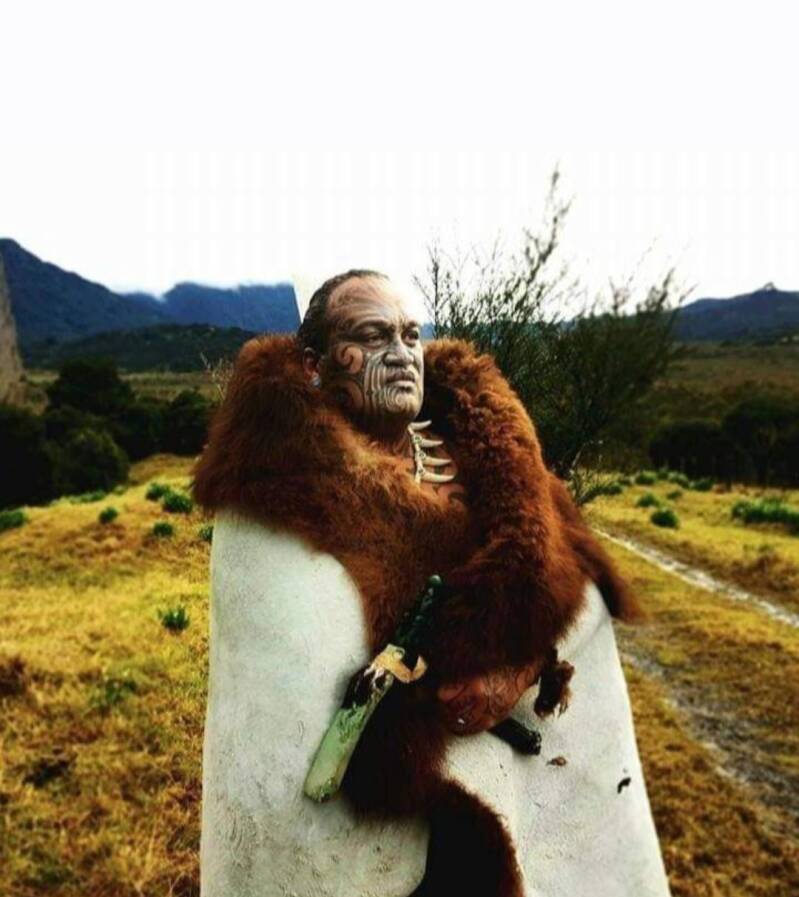
Te Whatukura Ō Tangaroa, Kupe Nuku IO-Ariki lX
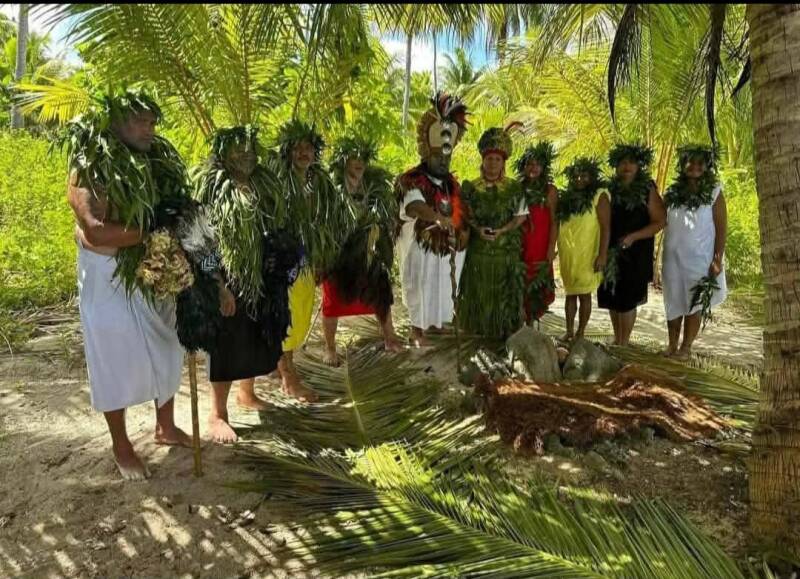
Te Marae Ō Kupe-Ariki, Maupiti, Pae'ao, 2024
May the mana of Hawaiki always glisten like the heat haze of Tānerore, Hine-ī-rēhia and Tamanuiterā upon the iridescent pathway of Mātangireia to Te Rauāroharoha (Rōhotu No'a No'a)— Limitless. Timeless. Eternal. Enduring. - Kupe-Ariki, 2026