Te Kiritangata - The Inner Palisade



THE ECONOMIC, STATUTORY AND CONSTITUTIONAL CONTAINMENT OF NGĀPUHI
He Wakapūtanga, Te Wakaminenga and the Sovereign Right of the Hapū
1. ANCESTRAL SOVEREIGNTY: IO TO 1835
The ancestral sovereignty of Ngāpuhi is grounded in the ancient whakapapa and authority of IO, extending through Ngā Rangitūhāhā, Te Moana Nui ā Hīva, Kupe, Rāhiri and the many hapū of Ngāpuhi. This ancestral sovereignty existed long before the arrival of the British Crown and the creation of the New Zealand colonial state. The authority of the hapū derives from their whakapapa, whenua, tikanga, ancestral responsibilities and continuing relationships with their territories and people. This is not an authority created by the Crown, nor is it an authority that depends upon Crown recognition for its existence. Ancestral sovereignty is the foundation upon which the constitutional position of Ngāpuhi must be understood.
2. CONSTITUTIONAL SOVEREIGNTY: 1835 TO 2026
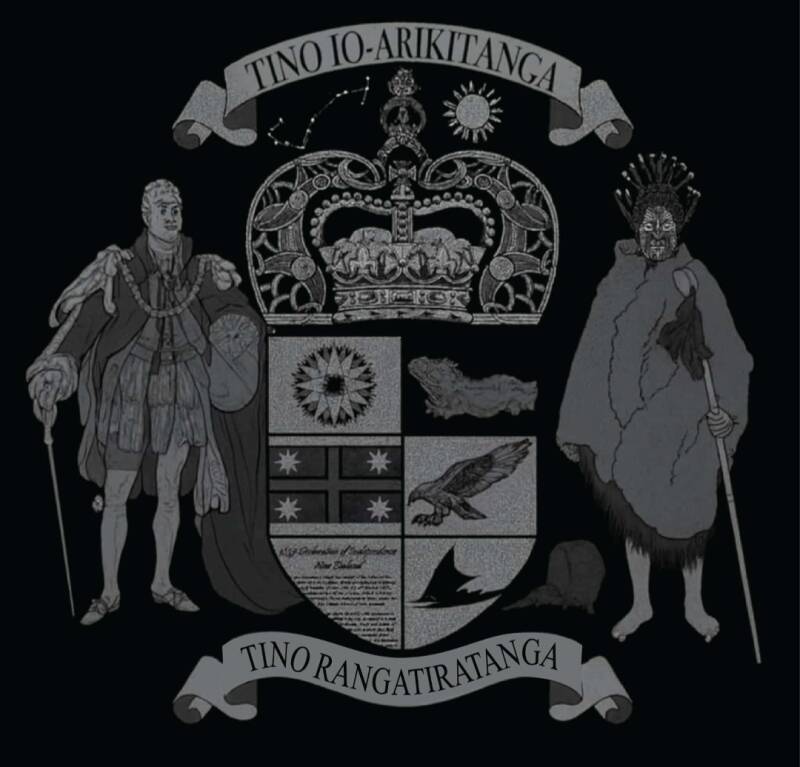
On 28 October 1835, He Wakapūtanga o te Rangatiratanga o Nu Tireni, the Declaration of Independence, was signed by northern rangatira including Pōtatau Te Wherowhero and Te Hāpuku and subsequently acknowledged by the British Crown. He Wakapūtanga affirmed the independent authority of the rangatira and established Te Wakaminenga as the collective political framework through which they exercised their authority. In 1840, Te Tiriti o Waitangi established a further constitutional relationship between rangatira and the Crown. The position advanced here is that sovereignty was not ceded by the rangatira through Te Tiriti. The Waitangi Tribunal's 2014 report on Te Paparahi o Te Raki found that the rangatira who signed Te Tiriti in February 1840 did not cede their sovereignty to the British Crown. That finding is central to the constitutional questions facing Ngāpuhi today. The constitutional question has therefore not disappeared with the passage of time. It remains relevant to the authority of the hapū, the legitimacy of Crown-led settlement processes and the future relationship between the Crown and Ngāpuhi. He Wakapūtanga 1835, Te Wakaminenga and Te Tiriti o Waitangi 1840 must be addressed together as part of the continuing constitutional history and position of Ngāpuhi.
3. THE HAPŪ OF NGĀPUHI: INDEPENDENT AUTHORITY AND COLLECTIVE UNITY
Ngāpuhi comprises approximately 130–150 hapū, alongside numerous marae throughout Te Tai Tokerau, including Hokianga, the Bay of Islands and Whāngārei.
The precise number of hapū and marae depends on the whakapapa, historical and organisational criteria used. The fundamental issue, however, is the continuing authority of the constituent hapū. The hapū are not simply administrative subdivisions of a single iwi organisation. They are communities with their own whakapapa, whenua, tikanga, leadership, historical claims and responsibilities. The position advanced in this document is that the hapū concerned do not consent to Te Rūnanga Nui a Iwi o Ngāpuhi Nui Tonu determining their constitutional position, representing their claims or controlling their assets without an appropriate mandate. Collective unity does not require the surrender of independent hapū authority. The challenge is to establish a collective framework that respects the authority of every constituent hapū while enabling cooperation where the hapū themselves agree.
4. THIRTY-ONE YEARS OF RESISTANCE TO SETTLEMENT
For approximately 31 years, the hapū concerned have maintained their refusal to accept a historical settlement that does not first address the Crown's obligations under He Wakapūtanga 1835 and Te Tiriti o Waitangi 1840. Their position is not simply about the amount of compensation offered or the value of assets placed within a settlement package. It concerns the constitutional foundation upon which any settlement is negotiated. The central argument is that the Crown cannot resolve the constitutional questions of authority and sovereignty merely by offering financial redress for historical grievances. An important distinction must also be acknowledged. During those 31 years, the position advanced here is that no hapū or tribal entity formally asked within the settlement negotiations for its constitutional authority and jurisdiction to be honoured and reinstated as a distinct part of the settlement process. That distinction matters because refusing a settlement on constitutional grounds and formally negotiating for the recognition and restoration of hapū authority are related but different actions. The present question is whether the Crown is prepared to address that constitutional position directly, rather than proceeding on the assumption that the matter can be resolved through a conventional settlement process.
5. WHY A FULL AND FINAL SETTLEMENT IS UNACCEPTABLE
A full and final settlement may bring historical claims within the relevant settlement framework to an end. However, the hapū concerned maintain that historical redress cannot substitute for resolving the outstanding constitutional questions. The fundamental issue is whether a settlement could be treated as final while the authority, jurisdiction and constitutional standing of the hapū remain unresolved.
The concerns include:
• Whether the hapū have freely authorised the entity negotiating on their behalf.
• Whether individual hapū retain control over their historical claims and interests.
• Whether settlement assets are allocated and governed according to legitimate mandates.
• Whether constitutional questions raised by He Wakapūtanga and Te Tiriti are being addressed separately from financial compensation.
• Whether any settlement framework could restrict the future ability of hapū to pursue constitutional questions that remain unresolved.
A settlement should not be presumed to represent constitutional consent simply because a financial agreement has been reached by another entity.
The central principle is that historical redress, constitutional authority and the future governance of the hapū are distinct matters that must not be conflated.
6. THE THREEFOLD CONTAINMENT OF NGĀPUHI
The concerns raised by the proposed settlement framework can be examined through three connected dimensions: constitutional, statutory and economic containment.
A. CONSTITUTIONAL CONTAINMENT
The concern is that a centralised settlement structure could treat one entity as the principal authority for Ngāpuhi, marginalising the independent constitutional standing of the constituent hapū. If the authority of individual hapū is not properly recognised, a settlement could consolidate representation and decision-making in a structure that does not reflect the consent of every hapū affected. The constitutional question is whether the Crown is engaging with the hapū as holders of their own authority or treating them as interests to be represented through a single overarching organisation.
B. STATUTORY CONTAINMENT
Legislation can determine how settlement entities are established, how assets are transferred and administered, and what legal consequences follow from a settlement. The concern is that statutory arrangements could restrict future options for hapū, alter the control of assets or affect existing legal and jurisdictional relationships. Any proposal involving compulsory transfers, restrictions on land interests or changes to the jurisdiction of existing institutions must be examined against the actual legislation, its clauses and its legal effects. The issue cannot be settled by political assurances alone. The legislation must be scrutinised to establish exactly what it would authorise, whom it would bind and what rights or options could be lost.
C. ECONOMIC CONTAINMENT
A settlement package may provide substantial financial resources while placing those resources within a particular legal, financial and governance structure.The concern is whether the hapū would retain genuine authority over the use, investment, distribution and development of their resources. Economic redress should create opportunities for future generations, rather than establish a financial structure that centralises control without an appropriate mandate from the hapū. The hapū must be able to consider land development, investment, employment, commercial partnerships and international trade according to their own priorities. The question is not merely how much money is offered. It is who controls the resources, who makes the decisions and whether the arrangement strengthens or diminishes the long-term authority of the hapū.
7. THE PROBLEM OF CENTRALISED REPRESENTATION
The legitimacy of any settlement process depends upon the authority of those who claim to represent the people affected. The existence of a large iwi organisation does not, by itself, establish that every hapū has authorised it to determine their constitutional position or settle their claims.
THE ABSENCE OF A MANDATE
No current entity holds a mandate to advance the constitutional claims and position advanced in this document on behalf of the hapū concerned. The entities involved have been unable to secure the mandate required to establish their authority to represent the hapū in this constitutional and settlement process.
This raises a fundamental question of legitimacy: on what basis can a settlement be advanced when no entity has obtained the mandate necessary to represent the hapū concerned? The absence of a mandate cannot simply be overcome by recognising an existing organisation, accelerating negotiations or establishing a statutory settlement framework. The authority to advance these claims must first be established through a legitimate process involving the hapū whose constitutional standing, claims and future are at stake.
The critical questions are:
• Which hapū have given a mandate?
• What authority was granted?
• What decisions does that mandate permit the representative entity to make?
• Can that mandate be withdrawn or limited?
• How are dissenting hapū protected?
• Who controls the assets and makes decisions on behalf of each hapū?
These questions must be addressed directly. A legitimate collective structure must be built through the consent of its constituent hapū. It cannot simply presume that all hapū have surrendered their authority to a centralised organisation. The objective is not to deny cooperation among Ngāpuhi. It is to ensure that cooperation is founded on legitimate authority, transparent decision-making and the consent of the people concerned.
8. THE RIGHT OF EACH HAPŪ TO GOVERN ITS OWN CLAIMS AND ASSETS
Each hapū must be able to determine its own position regarding historical claims, land interests, financial assets, representation and future development. This includes the right to establish its own negotiating mandate, identify its own priorities and determine what arrangements it is prepared to accept. Where hapū choose to cooperate, they can establish shared institutions and collective arrangements. Where they have not granted authority to another entity, that authority should not be presumed.
Any settlement framework must make clear:
• Which claims and interests are being settled.
• Which hapū have authorised the settlement.
• Which assets are allocated to particular hapū or collective interests.
• Who has authority to manage and distribute those assets.
• What protections exist for hapū that do not consent to a proposed structure.
• What legal consequences follow from accepting or rejecting the arrangement.The authority of the hapū must remain central to these decisions.
9. THE ECONOMIC FUTURE OF NGĀPUHI
The future of Ngāpuhi cannot be measured solely by the size of a settlement package. The hapū possess whenua, whakapapa, knowledge, skills, cultural resources and relationships that can support long-term economic development.
A hapū-led economic strategy could include:
• Whenua-based development and intergenerational asset protection.
• Agriculture, horticulture, housing and infrastructure.
• Education, research and the transmission of ancestral knowledge.
• Business development, investment and employment.
• Commercial partnerships with Indigenous peoples and international organisations.
• Direct international trade and economic relationships where legally available.
• Transparent financial governance and accountability to the hapū.
The objective is to create an economic foundation that strengthens the ability of the hapū to determine their own future. Commercial independence and constitutional sovereignty are connected, but they are not identical. The ability to trade internationally does not, by itself, establish recognition as a sovereign state or create an unrestricted right to conduct state-to-state relations. Nevertheless, hapū should be able to pursue lawful commercial opportunities and international relationships without unnecessary restrictions on their economic development. The fundamental question is whether settlement resources will provide the hapū with greater capacity to exercise their own authority or whether they will become dependent upon a centralised structure over which they have insufficient control.
10. WHY TE WAKAMINENGA MATTERS
Te Wakaminenga provides the constitutional framework through which the authority of independent hapū can be brought together without extinguishing their individual standing. Its purpose is not to replace the authority of the hapū with another centralised institution. It is to provide a framework for collective decision-making through the consent and participation of its constituent hapū. A renewed Te Wakaminenga could provide a pathway for:
• Collective constitutional discussions with the Crown.
• Coordinated responses to legislation and settlement proposals.
• Shared economic development and investment.
• Cooperation between hapū while preserving their individual authority.
• The development of agreed principles for representation, decision-making and accountability.
• International engagement and commercial relationships within the authority and capacity established by the participating hapū.
The legitimacy of such a framework must come from the hapū themselves. Its structure, functions, representation and decision-making processes should be determined through a legitimate hapū-led process, rather than imposed from outside. The principle is straightforward: collective unity must strengthen the authority of the hapū, not replace it.
11. THE POLITICAL QUESTION: WINSTON PETERS AND SHANE JONES
The reported political push by Winston Peters and Shane Jones for a fast-tracked Ngāpuhi settlement raises an important constitutional question. What authority is the government relying upon to advance a settlement process that may affect hapū that do not consent to the proposed arrangements?
The concern is not simply the speed of the process. It is whether the process gives sufficient recognition to the constitutional position of the hapū, their authority over their own claims and the consequences of legislation that may bind them.
Before any settlement is advanced, the government should explain:
• Which entity it recognises as authorised to represent the hapū concerned.
• What evidence of mandate supports that recognition.
• How the government intends to address the position of hapū that reject the proposed settlement.
• Whether the constitutional questions arising from He Wakapūtanga and Te Tiriti will be addressed independently of historical redress.
• What legal consequences the proposed legislation would have for land interests, assets, jurisdiction and future claims.
Political urgency does not remove the need for legitimate authority and informed consent. Nor should political statements alone be treated as proof of the government's legal intentions. The actual proposal, legislative text, official explanations and evidence of the relevant mandates must be examined. The government must answer the constitutional questions directly rather than treating opposition to a settlement as an obstacle to be overcome.
12. THE PRINCIPLE THAT MUST NOT BE LOST
The central issue is the continuing relationship between ancestral sovereignty, constitutional authority, the Crown and the independent hapū of Ngāpuhi. Ancestral sovereignty and constitutional sovereignty are connected, but they are not interchangeable. Ancestral sovereignty refers to the authority grounded in the whakapapa, tikanga, whenua and responsibilities of the hapū, extending from the ancestral foundations identified in this document. Constitutional sovereignty concerns the political and constitutional position of the rangatira and hapū expressed through He Wakapūtanga 1835, Te Wakaminenga and Te Tiriti o Waitangi 1840. The position advanced here is that these foundations remain relevant and that the authority of the hapū was not extinguished by Te Tiriti. The Crown's historical settlement framework cannot, by itself, answer every question arising from that constitutional position. The question is not simply what the Crown is prepared to give Ngāpuhi. The question is whether the Crown is prepared to honour the constitutional relationship that must underpin any legitimate settlement.
Te Whare Ō Kupe-Ariki: From IO to 1835
Te Whare Tapu Ō Ngāpuhi: From Rāhiri to 2026
He Wakapūtanga 1835
Te Wakaminenga 1835
Te Tiriti o Waitangi 1840
The authority of the hapū must remain central.
13. THE SOLUTION: A HAPŪ-LED CONSTITUTIONAL AND ECONOMIC PATHWAY
The solution must begin by recognising that a financial settlement cannot substitute for resolving the constitutional questions raised by the hapū of Ngāpuhi. The way forward must protect the independent authority of the constituent hapū while providing a practical framework for collective cooperation through Te Wakaminenga.
1. PAUSE ANY COMPULSORY SETTLEMENT PROCESS
The proposed fast-tracked settlement should not proceed on the assumption that a single entity has the authority to settle the claims of all Ngāpuhi hapū. The government should engage directly with the hapū concerned before advancing legislation that purports to bind them.
2. ESTABLISH A HAPŪ-LED CONSTITUTIONAL PROCESS
The hapū should determine their own representatives and establish a process to address He Wakapūtanga 1835, Te Wakaminenga and Te Tiriti o Waitangi 1840. This process must distinguish constitutional sovereignty from commercial settlement negotiations.
3. RECOGNISE EACH HAPŪ'S AUTHORITY OVER ITS OWN CLAIMS
Each hapū should have the opportunity to determine its negotiating mandate, historical claims, land interests, settlement assets and governance arrangements. No overarching entity should be presumed to hold authority over a hapū that has not granted it that mandate.
4. PROTECT HAPŪ CONTROL OF LAND AND FINANCIAL ASSETS
Any settlement framework should specify which assets belong to which interests, who will administer them, how decisions will be made and what safeguards protect hapū that do not consent to a centralised structure. Compulsory transfers and restrictions on existing jurisdiction must be examined against the actual legislation and the rights of affected owners.
5. SEPARATE HISTORICAL REDRESS FROM CONSTITUTIONAL RESOLUTION
The settlement of historical claims must not be represented as proof that the hapū have surrendered sovereignty. A separate constitutional process should address the outstanding questions of authority, jurisdiction and the Crown's relationship with the hapū.
6. BUILD TE WAKAMINENGA THROUGH THE CONSENT OF ITS CONSTITUENT HAPŪ
Te Wakaminenga should provide a framework for collective decision-making based on the authority of the hapū themselves. Its functions, representation, decision-making rules and relationship with individual hapū should be determined through a legitimate hapū-led process.
7. DEVELOP AN INDEPENDENT HAPŪ ECONOMIC STRATEGY
The hapū should be able to determine how their resources can support sustainable economic development, investment, employment, commercial partnerships and international trade. Their economic strategy should protect local decision-making and establish transparent accountability for all settlement assets.
8. REQUIRE AN EXPLICIT CONSTITUTIONAL RESPONSE FROM THE CROWN
The government should be asked to respond directly to the constitutional position advanced by the hapū under He Wakapūtanga and Te Tiriti. The response should address whether, and through what process, the Crown is prepared to engage with their claims concerning continuing sovereignty, authority and jurisdiction.The objective is not to replace one imposed structure with another. It is to establish a legitimate constitutional and economic framework in which the authority of the hapū is respected, collective cooperation is built through agreement, and the future of Ngāpuhi is determined by the people whose whenua, claims and constitutional standing are at stake.
CLOSING STATEMENT
The future of Ngāpuhi must not be determined solely by the value of a settlement, the convenience of a centralised structure or the political timetable of the Crown. It must be determined by addressing the constitutional foundations of the relationship, respecting the authority of the hapū and establishing a pathway for collective action that does not require the surrender of independent hapū standing.The responsibility now is to move beyond a debate about compensation and confront the deeper question of constitutional authority.
Tū tika Te Whare Ō Kupe-Ariki. From IO to 1835.
Tū rangatira Te Whare Tapu Ō Ngāpuhi. From Rāhiri to 1835
He Wakapūtanga 1835. Te Wakaminenga Ō Ngā Hapū.
Te Tiriti o Waitangi 1840. 1835 to 2026.