Te Tatūnga Mutunga Koretanga: The Constitutional Continnum Of Ngāpuhi. IO to 2027
Te Whare Atua Ō IO Atua Ariki Tapu

Ngā Whare Ariki Ō Te Moana Nui ā Hīva
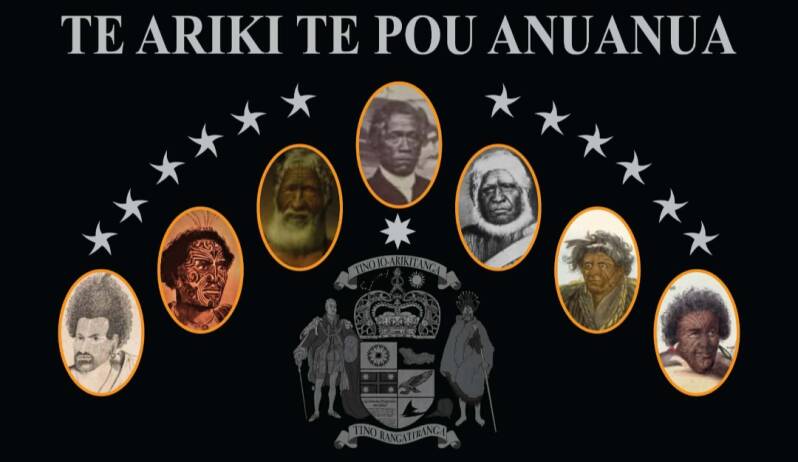
Ngā Manukura Ō Te Wakaminenga
Te Wakaminenga Ō Ngā Hapū

Ngā Raiwhara 303 Ō Ngā Manukura
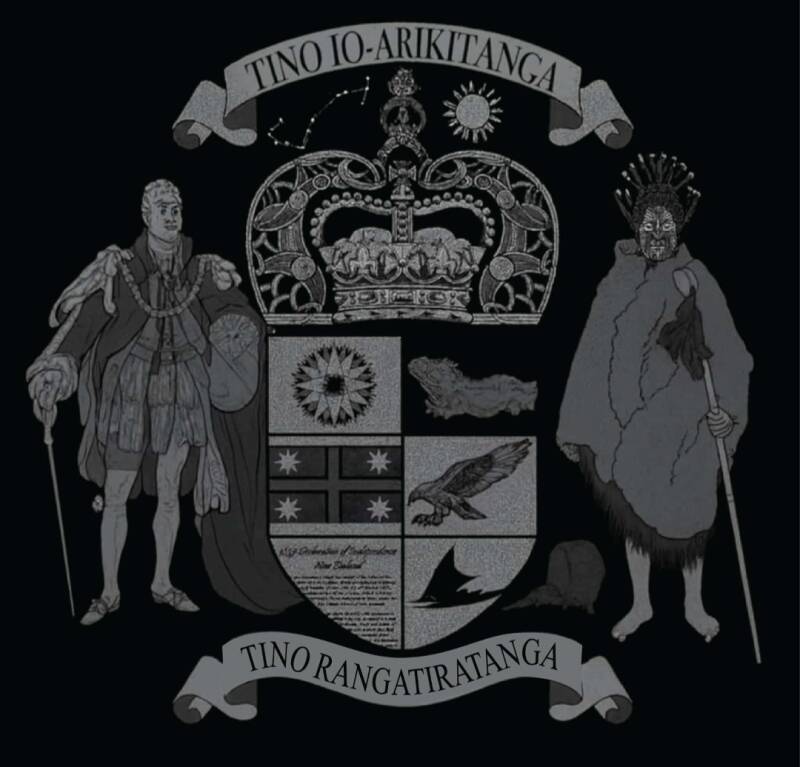
Te Tohu Ō Ngā Manukura
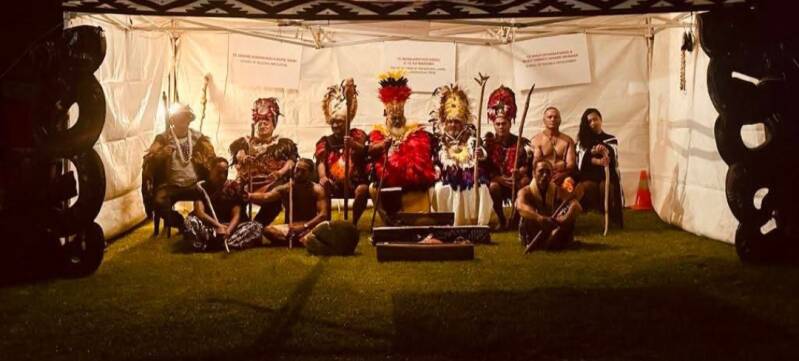
Te Heke-Tāhūhū Ō Te Whare Ō Kupe-Ariki
TE TATŪNGA MUTUNGA KORETANGA - THE CONSTITUTIONAL CONTINUUM OF NGĀPUHI
PART ONE: THE CONSTITUTIONAL FOUNDATIONS
1. THE CONSTITUTIONAL CONTINUUM
The constitutional continuum of Ngāpuhi begins with IO, extends through Kupe and Rāhiri, and continues through the ancestral constitutional foundations of Ngāpuhi into the present generation. This continuum was not created in 1835, nor was it created in 1840. Those declarations must be understood within the much longer ancestral constitutional order from which Ngāpuhi derives its authority, identity, relationships and responsibilities.
The constitutional continuum has never been broken and will never be broken. The purpose of this declaration is to bring the ancestral constitutional foundations, the declarations of 1835 and 1840, the findings of Te Paparahi o Te Raki, and the present generation of Ngāpuhi together within one continuous constitutional framework. We are not creating a new constitutional identity. We are reaffirming the continuity of an existing one. The constitutional continuum is the foundation upon which the reaffirmation, reconstitution and practical exercise of Ngāpuhi constitutional authority will proceed. The complete ancestral constitutional architecture from IO to 1835, already developed through extensive research and applied intergenerational knowledge, will form part of this declaration.
2. THE ANCESTRAL CONSTITUTIONAL FOUNDATIONS
The constitutional continuum begins with IO and extends through the ancestral lines of Kupe and Rāhiri.
These ancestral foundations establish the relationships, authority, responsibilities and structures through which Ngāpuhi understands and maintains its own constitutional existence. The ancestral constitutional architecture already established from IO to 1835 forms the foundation of this declaration. That architecture is to be carried forward, not replaced, rewritten or disconnected from the declarations that followed. The constitutional sequence is:
IO → KUPE → PUHIMOANAARIKI - RĀHIRI → 1820, 1831, 1834, 1835 → 1840 → TE PAPARAHI O TE RAKI I & 2→ NGĀPUHI SPEAKS→ 2026.
Each period is part of the same continuing constitutional history. The present generation inherits the responsibility to reaffirm that continuum and give practical expression to its continuing authority.
3. HE WHAKAPUTANGA O TE RANGATIRATANGA O NU TIRENI — 1835
He Whakaputanga o te Rangatiratanga o Nu Tireni, proclaimed in 1835, is an essential constitutional expression of the authority of the rangatira and the Confederation of United Tribes. It is not the beginning of that authority. It is a formal declaration within an existing ancestral constitutional continuum. The reaffirmation of He Whakaputanga in 2026 will recognise its place within that continuum and reaffirm the constitutional significance of the rangatira who declared it. The present generation does not need to invent a new declaration to replace the one already made. It must understand, reaffirm and give practical expression to the constitutional foundations already established. He Whakaputanga remains central to the constitutional identity, authority and continuity of the Confederation.
4. TE TIRITI O WAITANGI — 1840
Te Tiriti o Waitangi is to be reaffirmed within the constitutional relationship established by the rangatira in 1840. The relationship between He Whakaputanga and Te Tiriti must be understood together and within the wider ancestral constitutional continuum. Te Tiriti is not to be treated as an instrument through which the pre-existing constitutional authority of Ngāpuhi was automatically extinguished. The reaffirmation in 2026 will place the constitutional declarations of 1835 and 1840 within their proper ancestral and historical continuum. The Crown's recognition, acknowledgement and honouring of these constitutional foundations remain central to the relationship being advanced.
5. TE PAPARAHI O TE RAKI — STAGE ONE AND STAGE TWO
The findings and evidence of Te Paparahi o Te Raki, Stage One and Stage Two, are to be incorporated into the constitutional continuum.
Stage One
Stage One is particularly significant because the Waitangi Tribunal found that the rangatira who signed Te Tiriti in February 1840 did not cede their sovereignty to the Crown. That finding must be considered alongside He Whakaputanga and the constitutional authority already held by the rangatira.
Stage Two
Stage Two forms part of the wider historical and constitutional record concerning Crown conduct, the erosion of rangatiratanga, and the consequences for Ngāpuhi and its hapū. The evidence presented through the inquiry, together with the ancestral knowledge, whakapapa, historical records and territorial evidence of the hapū, will contribute to the process of defining and reaffirming Ngāpuhi's tribal regions. Both stages are to be acknowledged and incorporated into the constitutional record carried forward into 2026. They do not replace the ancestral constitutional foundations. They are part of the historical record through which those foundations and the relationship with the Crown are addressed.
PART TWO: THE RECONSTITUTION OF TE WAKAMINENGA O NGĀ HAPŪ
6. THE WHARE TAPU O NGĀPUHI
Within the Whare Tapu o Ngāpuhi, the Sacred House of Ngāpuhi, are the approximately 130 to 150 hapū of the Confederation. The proposal is that the chairperson of each of these hapū marae be called to assemble at Waitangi and take their respective seats within Te Wakaminenga o Ngā Hapū. Each chairperson will bring the representative presence of their respective marae and hapū. The proposed assembly will therefore consist of 130 to 150 representative seats, corresponding to the constituent hapū of the Confederation. This assembly will provide the collective constitutional forum through which Ngāpuhi can reaffirm its ancestral constitutional foundations, its declarations, its territorial relationships and its collective responsibilities. The purpose is to reconstitute or reaffirm Te Wakaminenga o Ngā Hapū through the participation of its constituent hapū. The authority of each hapū remains with that hapū. The collective assembly is not intended to absorb, replace or extinguish the independent authority of individual hapū. Each representative's mandate and the decisions they are authorised to make must be confirmed through the processes of the hapū they represent.
7. THE COLLECTIVE REAFFIRMATION AT WAITANGI — 2026
The proposed assembly at Waitangi will bring the representatives of the Confederation together to formally reaffirm the constitutional continuum. The assembly will bring together:
• The ancestral constitutional foundations from IO.
• The continuation through Kupe and Rāhirī.
• He Whakaputanga o te Rangatiratanga o Nu Tireni, 1835.
• Te Tiriti o Waitangi, 1840.
• Te Paparahi o Te Raki, Stage One.
• Te Paparahi o Te Raki, Stage Two.
• The present constitutional position of Ngāpuhi in 2026.
This gathering is not intended to create a new constitutional authority. It is intended to reaffirm the continuity of the authority, declarations and responsibilities that already form part of the Ngāpuhi constitutional continuum. The assembly will formally record its decisions, the participating hapū, the representatives present and the constitutional matters reaffirmed. The collective reaffirmation will provide the foundation for the next phase: the practical exercise of hapū authority, the definition of tribal territories, the establishment of tribal infrastructure and the advancement of the constitutional relationship with the Crown.
PART THREE: TERRITORIAL RECLAMATION AND HAPŪ AUTHORITY
8. THE REAFFIRMATION AND RECLAMATION OF HAPŪ TERRITORIAL BOUNDARIES
Through Te Wakaminenga o Ngā Hapū, the constituent hapū will reaffirm and define their respective ancestral territories, boundaries, relationships and responsibilities. The Confederation of United Tribes, through its constituent hapū, will determine and document the extent of its tribal regions.This process will draw upon:
• Ancestral knowledge and whakapapa.
• Historical records and evidence.
• Evidence presented through Te Paparahi o Te Raki, Stage One and Stage Two.
• Hapū territorial records and customary knowledge.
• Ancestral occupation, relationships and responsibilities.
• The historical boundaries and relationships maintained by the constituent hapū.
The definition of these territories must come from the hapū themselves, recognising their ancestral authority, occupation, relationships, responsibilities and customary boundaries. The objective is to establish the full extent of the ancestral territories and pursue their return to the hapū to whom those territories belong. The reclamation of tribal boundaries will be undertaken through the authority and participation of the constituent hapū themselves. Each hapū retains its own identity, territorial relationships, authority and responsibilities within the wider Confederation. The collective assembly provides the constitutional forum through which these matters can be brought together, acknowledged, recorded and advanced. This process must recognise the distinct territorial relationships of each hapū rather than impose a single centralised territorial structure over the Confederation.
9. THE RETURN OF NGĀPUHI TRIBAL TERRITORIES
The Confederation of United Tribes, through Te Wakaminenga o Ngā Hapū and its constituent hapū, will define its own tribal regions and advance the return of its ancestral territories. The territorial definition process will not be confined to the boundaries established for Crown settlement purposes. The hapū will identify and document their own ancestral territories through their whakapapa, historical evidence, customary knowledge, ancestral relationships and the evidence presented through Te Paparahi o Te Raki. The objective is to pursue the return of the full extent of the ancestral territories identified by the hapū. This includes addressing the historical loss and alienation of whenua, the continuing consequences of Crown actions, and the restoration of the ability of hapū to exercise authority and responsibilities within their own territories.
The return of land must be considered alongside the recognition and practical exercise of jurisdiction and the ability of hapū to administer their own affairs. The Confederation will advance this position collectively while preserving the distinct territorial authority of each constituent hapū. The return of ancestral territories is not simply a matter of financial compensation. It is a matter of restoring the territorial, economic and constitutional foundations through which hapū maintain their responsibilities and exercise their authority.
10. HAPŪ AUTHORITY AND THE ADMINISTRATION OF HAPŪ ASSETS
The constitutional reaffirmation must give practical recognition to the authority of individual hapū over their own affairs. The position advanced through this declaration is that hapū must retain the authority to administer and manage their own:
• Financial compensation and redress.
• Whenua and ancestral lands.
• Land-banked assets.
• Economic development.
• Natural and other resources.
• Internal governance and decision-making.
• Relationships and responsibilities within their respective territories.
No Crown agency or external administrative structure should automatically become the governing authority over the assets and affairs of individual hapū. Each hapū must be able to determine its own arrangements for the administration, protection and development of its resources. Te Wakaminenga o Ngā Hapū provides the collective constitutional forum for matters affecting the Confederation as a whole. It must not become a mechanism through which the authority of individual hapū is transferred away from them. The collective constitutional structure must protect the authority of the constituent hapū and enable them to exercise their own responsibilities throughout their respective tribal regions.
11. JURISDICTION AND CONSTITUTIONAL AUTHORITY
The Confederation's position is that Ngāpuhi will organise and exercise its own jurisdiction and authority through its constitutional structures and constituent hapū. The constitutional reaffirmation is intended to establish a practical framework through which Ngāpuhi can administer its own tribal affairs, manage its own assets, develop its own infrastructure and determine its own collective responsibilities.The objective is not simply to establish another representative organisation within the existing Crown administrative framework. It is to establish and exercise a Ngāpuhi constitutional framework grounded in its own ancestral foundations, declarations, tikanga and hapū authority. The proposed constitutional framework will address:
• Tribal governance.
• Hapū administration.
• Territorial responsibilities.
• Land and resource management.
• Economic development.
• Financial administration.
• Education and knowledge institutions.
• Environmental responsibilities.
• Collective representation.
• Relationships with external institutions and governments.
The practical exercise of jurisdiction will be developed through the mandates of the constituent hapū and appropriate arrangements concerning existing statutory responsibilities, rights and institutions.
PART FOUR: CROWN COMPENSATION AND TRIBAL INFRASTRUCTURE
12. THE CONTINUATION OF CROWN COMPENSATION CLAIMS
The Confederation will continue to pursue compensation from the Crown for historical land loss, confiscation, economic deprivation and the consequences of Crown breaches. The exercise of Ngāpuhi jurisdiction and authority does not mean abandoning its claims against the Crown. These are two separate but complementary matters.
First: The recognition and practical exercise of Ngāpuhi's own constitutional jurisdiction and authority.
Second: The continuation of its claims for the return of ancestral territories and appropriate financial compensation. Seeking compensation does not mean surrendering jurisdiction. It does not mean accepting Crown administration of hapū affairs. It does not mean relinquishing the constitutional position established through He Whakaputanga and reaffirmed through the wider constitutional continuum.
13. THE FINANCING AND DEVELOPMENT OF NGĀPUHI TRIBAL INFRASTRUCTURE
Compensation sought from the Crown will provide the financial foundation necessary for Ngāpuhi to develop, finance and mobilise its own tribal infrastructure.This includes the establishment and operation of:
• Hapū governance and administration.
• Tribal economic infrastructure.
• Land and resource management.
• Legal and constitutional services.
• Education and knowledge institutions.
• Environmental and territorial management.
• Economic development and investment.
• Communications and collective representation.
• The practical administration of hapū jurisdiction and authority.
The purpose of compensation is not simply to distribute financial payments. It is to provide the resources necessary for Ngāpuhi and its constituent hapū to rebuild their economic foundations, administer their own affairs and exercise their responsibilities throughout their respective tribal regions. Each hapū will determine how its own compensation, assets and financial resources are administered. The collective infrastructure will support matters shared across the Confederation without removing the independent financial and administrative authority of individual hapū.
14. THE DISTINCTION BETWEEN JURISDICTION AND COMPENSATION
The Confederation is advancing two connected objectives.
Constitutional authority:Ngāpuhi establishes and exercises its own constitutional jurisdiction through its constituent hapū and collective institutions.
Financial redress:Ngāpuhi continues to pursue the return of ancestral territories and appropriate Crown compensation to finance the restoration and development of its own tribal infrastructure.The Crown cannot treat the pursuit of compensation as an acceptance that Ngāpuhi has surrendered its constitutional authority. The two matters must remain distinct. Ngāpuhi determines its own constitutional position. Ngāpuhi defines its own tribal regions through its constituent hapū. Ngāpuhi seeks the return of its ancestral territories and continues to pursue compensation from the Crown.
PART FIVE: THE 100-DAY CONSTITUTIONAL NOTICE
15. THE PROPOSED 100-DAY CONSTITUTIONAL NOTIFICATION
The proposed 100-day constitutional notification is intended to respond directly to the 100-day legislative timeframe being advanced by Shane Jones and Winston Peters concerning Ngāpuhi. The purpose is to establish a corresponding period for constitutional engagement. If the Crown proposes to advance legislation affecting the constitutional arrangements, representation and settlement position of Ngāpuhi within its first 100 days, Ngāpuhi will establish its own constitutional position and communicate that position through Te Wakaminenga o Ngā Hapū. Following the collective reaffirmation at Waitangi, formal notification will be delivered to:
• The Crown.
• Parliament.
• The Prime Minister and relevant Ministers.
• Government departments and agencies.
• Regional and district councils.
• Other relevant institutions operating within the identified tribal regions.
The notification will communicate Ngāpuhi's constitutional position and establish a 100-day period for formal engagement concerning jurisdiction, authority, territorial relationships and the future administration of Ngāpuhi affairs. The notification will make clear that Ngāpuhi does not accept the unilateral imposition of a Crown settlement structure over its constituent hapū. It will also establish the expectation that institutions operating within the identified tribal regions engage with Ngāpuhi concerning the constitutional position being advanced and the future arrangements governing their respective responsibilities.
16. THE 100-DAY NOTICE AND EXISTING INSTITUTIONS
The constitutional position being advanced is that Ngāpuhi will determine the future constitutional arrangements within its tribal regions. The proposed 100-day notice will establish a defined period for existing authorities and institutions to formally respond and engage with the Confederation. The notice will invite those institutions to address:
• Their existing statutory responsibilities within Ngāpuhi territories.
• Their relationship with the constituent hapū.
• Their recognition of the constitutional continuum.
• Their future administrative arrangements.
• The transfer or recognition of responsibilities where agreed through appropriate processes.
• The protection of hapū assets, whenua and interests.
• The establishment of future relationships with Te Wakaminenga o Ngā Hapū.
The proposed notice will also establish Ngāpuhi's position that the Crown and its agencies cannot simply assume that their existing administrative arrangements automatically represent the consent or authority of the constituent hapū. The ultimate objective is to establish a constitutional relationship in which Ngāpuhi exercises its own authority and determines the institutions and arrangements through which its tribal affairs are administered. Any proposed changes to statutory powers, existing legal rights, land ownership or institutional responsibilities must proceed through appropriate legal and constitutional processes. The 100-day notification is the beginning of a formal constitutional engagement process, not an automatic eviction order.
17. THE GEOGRAPHICAL EXTENT OF THE CONSTITUTIONAL NOTIFICATION
The Confederation will establish and document the geographical extent of its tribal regions through the evidence and participation of its constituent hapū. The territorial process will identify the respective boundaries, customary relationships and responsibilities of the hapū. The geographical framework will include the wider tribal regions identified by the constituent hapū, including the areas extending through Dargaville and Whāngārei and the other territories within the Confederation. The territorial boundaries must be established through hapū evidence and collective constitutional processes. The notification will identify the relevant institutions operating within those regions and communicate the constitutional position of Ngāpuhi to them. The purpose is to establish the geographical and institutional scope of the proposed constitutional relationship.
18. THE FUTURE RELATIONSHIP WITH THE CROWN
Ngāpuhi does not seek to abandon its historical claims or relinquish its constitutional position in order to participate in a Crown settlement process. The Confederation seeks the acknowledgement and honouring of He Whakaputanga and Te Tiriti. It seeks the return of ancestral territories, the restoration of hapū authority and the financial resources necessary to rebuild its own tribal infrastructure. The Crown must recognise that the constitutional relationship cannot be reduced to a financial settlement or a single administrative structure imposed upon the constituent hapū. The proposed relationship must address the constitutional foundations, the historical evidence, the authority of the hapū and their right to determine their own arrangements. The continuation of negotiations concerning compensation does not remove or diminish the constitutional position being advanced.
PART SIX: IMPLEMENTATION AND CONTINUITY
19. THE PRACTICAL IMPLEMENTATION PROGRAMME
The reaffirmation of the constitutional continuum must be accompanied by a practical implementation programme. The programme will include:
A. THE ASSEMBLY
The convening of the 130 to 150 hapū representatives at Waitangi through Te Wakaminenga o Ngā Hapū.
B. THE CONSTITUTIONAL RECORD
The formal recording of the ancestral constitutional foundations, He Whakaputanga, Te Tiriti and the findings of Te Paparahi o Te Raki.
C. HAPŪ MANDATES
The confirmation of each representative's mandate and the processes through which each hapū participates in collective decisions.
D. TERRITORIAL REAFFIRMATION
The documentation and reaffirmation of the respective ancestral territories and boundaries of the constituent hapū.
E. COLLECTIVE REPRESENTATION
The establishment of a process through which Te Wakaminenga o Ngā Hapū communicates and represents collective constitutional matters.
F. HAPŪ ADMINISTRATION
The development of individual hapū arrangements for the administration of their own assets, compensation, whenua, resources and economic affairs.
G. LAND RETURN AND REDRESS
The establishment of a collective process for advancing the return of ancestral territories and pursuing appropriate Crown compensation.
H. TRIBAL INFRASTRUCTURE
The development of the financial, administrative, economic, educational, legal and territorial infrastructure required to exercise hapū authority.
I. CROWN AND INSTITUTIONAL ENGAGEMENT
The delivery of the 100-day constitutional notification and the establishment of a formal process for engagement with the Crown and other relevant institutions.
J. ONGOING CONSTITUTIONAL RESPONSIBILITIES
The continuation of the constitutional work beyond the initial assembly, ensuring that the authority of the hapū is maintained and exercised through their own processes.
20. THE CONTINUITY OF THE CONSTITUTIONAL AUTHORITY
The constitutional continuum is not a temporary political arrangement. It is not dependent upon the outcome of a Crown settlement negotiation. It is not dependent upon the recognition of a particular Crown agency. It is not dependent upon the establishment of a new commercial entity. Its foundation is the ancestral constitutional order carried through IO, Kupe, Rāhiri and the generations that followed. The declarations of 1835 and 1840 are part of that continuum. The findings of Te Paparahi o Te Raki form part of the historical and constitutional record. The present generation has the responsibility to bring these foundations together, reaffirm their continuity and establish the practical institutions through which the constituent hapū can exercise their responsibilities. The constitutional continuum must be maintained for the generations that follow.
PART SEVEN: THE PRINCIPAL DECLARATION
21. TE WHAKAPUAKITANGA O TE WHAKATŪNGA
We, the constituent hapū of the Confederation of United Tribes, through our respective representatives and collective constitutional processes, reaffirm the continuity of our ancestral constitutional foundations.
From IO, through Kupe and Rāhiri, through He Whakaputanga o te Rangatiratanga o Nu Tireni in 1835, through Te Tiriti o Waitangi in 1840, through the findings of Te Paparahi o Te Raki, Stage One and Stage Two, and into 2026, the constitutional continuum remains.
We recognise the authority and responsibilities of our constituent hapū.
We reaffirm the collective constitutional significance of Te Wakaminenga o Ngā Hapū.
We reaffirm the importance of our ancestral territories, boundaries, relationships and responsibilities.
We affirm that the authority of individual hapū is not surrendered to a centralised structure or external administrative body.
We affirm the right and responsibility of our hapū to define their own tribal regions and advance the return of their ancestral territories.
We affirm that the pursuit of Crown compensation remains separate from the exercise of our own constitutional jurisdiction and authority.
We seek the acknowledgement and honouring of our constitutional declarations, the return of our ancestral territories, and the recognition of the authority and responsibilities that continue through our hapū.
We seek the resources necessary to finance and mobilise our own tribal infrastructure, so that our hapū can administer their own affairs and exercise their responsibilities throughout their respective territories.
We reaffirm Te Wakaminenga o Ngā Hapū as the collective constitutional forum through which our constituent hapū can come together, maintain their respective authority and advance their collective responsibilities.
We bring the ancestral foundations, the declarations, the historical record and the present generation together as one continuous constitutional framework.
We do not seek to invent a new constitutional identity.
We reaffirm what has always been carried through our ancestral generations.
KĀORE TE AHO I MOTU. THE CONSTITUTIONAL CONTINUUM WILL NEVER BEEN BROKEN.
E ARA NGĀPUHI, HE PAKANGA KO TE HAERE! THE CONSTITUTIONAL CONTINUUM — IO TO 2026